
Minor Mineral Non River Side
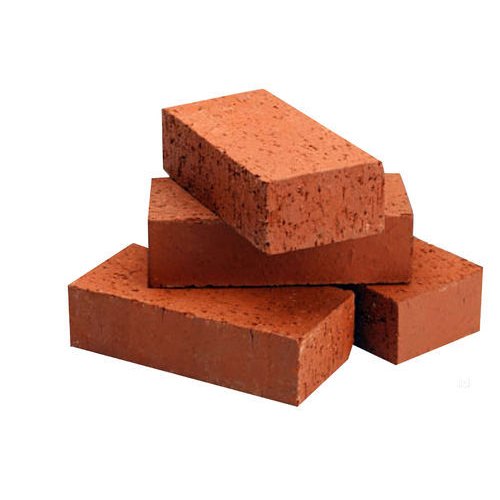
Brick Soil
₹ 594.00 / Ton - ₹ 738.00 / Ton
Brick Soil, commonly referred to as Brick Earth, is a naturally occurring mineral resource widely used in the manufacturing of bricks and other clay-based construction materials. It is typically composed of fine-grained soil containing suitable proportions of clay, silt, and sand, which provide the required plasticity and binding properties necessary for molding and firing bricks. In the state of Uttarakhand, Brick Soil is an important minor mineral regulated by the Directorate of Geology and Mining under the provisions of the Uttarakhand Minor Mineral (Concession) Rules and other applicable mining regulations. The extraction and utilization of Brick Soil are permitted through valid mining leases or permits issued by the department to ensure sustainable mining practices and environmental compliance.
Uses: Piller, Wall, Roof Continue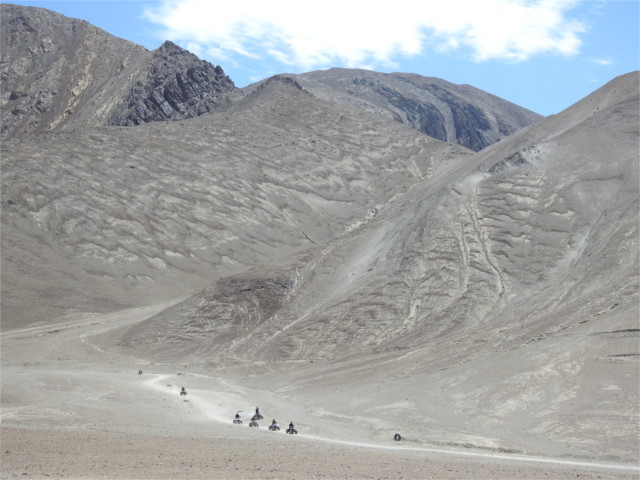
Dust
₹ 500.00 / Ton - ₹ 999.00 / Ton
Dust is a finely crushed by-product generated during the processing of stones in crushing and screening plants. It is produced when large rocks and boulders are mechanically crushed into smaller aggregates such as grit and sand. In the mining and mineral processing sector, dust is widely used as a construction material due to its fine texture and good binding properties. Through the digital platform UK Mineral Mart, dust and other minerals are made available to buyers in a transparent and regulated manner.
Uses: Roof, Floor Continue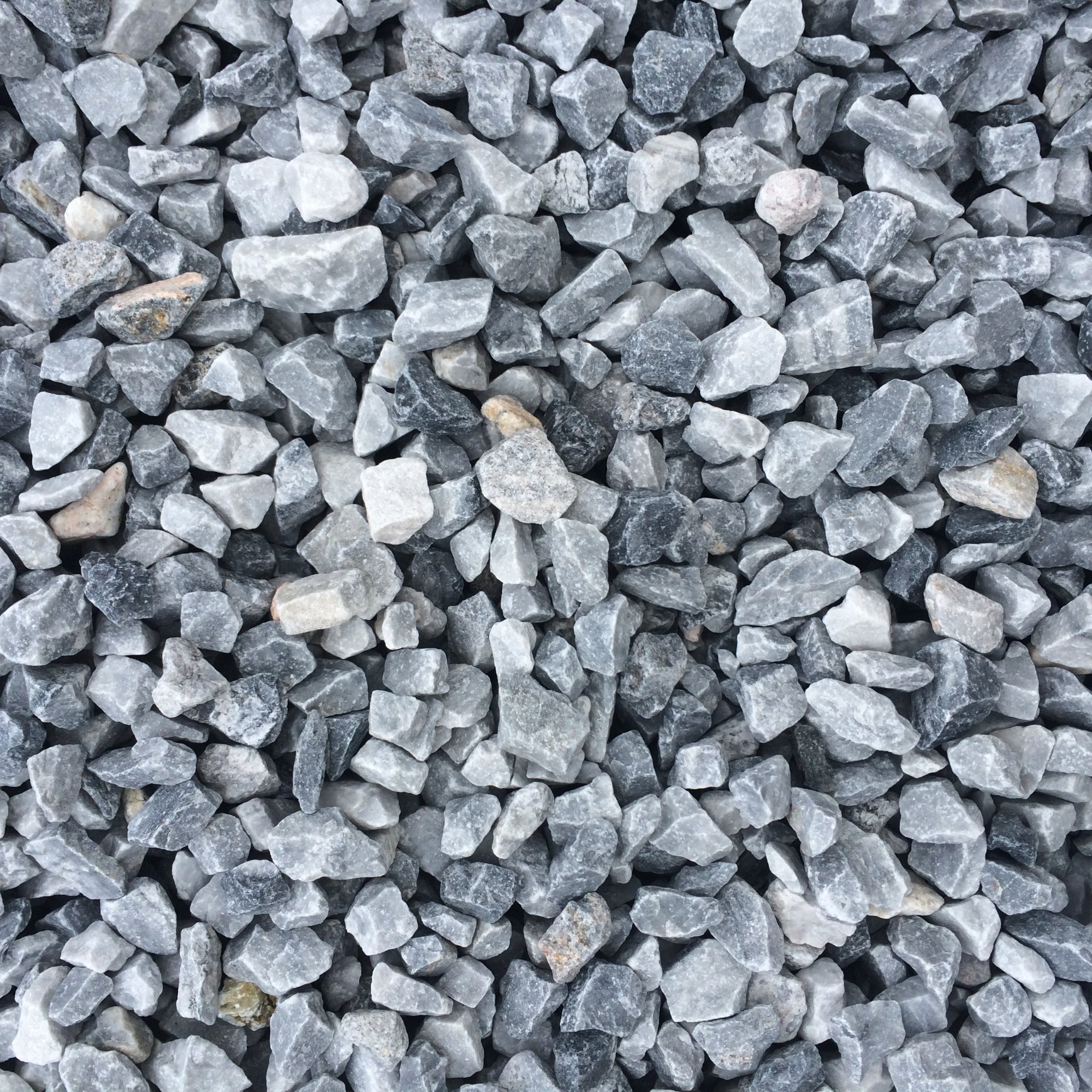
Grit
₹ 500.00 / Ton - ₹ 998.00 / Ton
Grit refers to coarse granular particles of stone, sand, or crushed rock commonly used as a minor mineral in construction and infrastructure activities. Geologically, grit is often associated with coarse-grained sandstone or sedimentary rock composed of angular sand-sized grains and small pebbles. These materials are naturally hard and durable, making them suitable for various civil engineering and building purposes. For the Mineral Mart initiative under the Directorate of Geology and Mining, Uttarakhand, grit can be categorized as a commercially tradable minor mineral product. Listing grit on the Mineral Mart platform will enable transparent trade, efficient supply chain management, and regulated distribution of construction aggregates across the state.
Uses: Piller, Wall, Roof, Floor Continue
Gypsum
₹ 0 / Ton - ₹ 0 / Ton
Gypsum is a naturally occurring soft mineral composed primarily of calcium sulfate dihydrate (CaSO₄·2H₂O). It is widely found in sedimentary rock formations and is one of the most important industrial minerals due to its extensive applications in construction, agriculture, and manufacturing industries. The responsible extraction and utilization of gypsum contribute to the sustainable development of mineral resources. Through initiatives like Mineral Mart, the Government aims to promote transparency, efficient resource utilization, and market accessibility for various minerals, including gypsum.
Uses: Wall, Roof, Floor, Frame Continue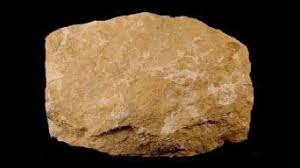
Limestone (Low Grade)
₹ 524.00 / Ton - ₹ 685.00 / Ton
Low-grade Limestone is an important industrial mineral found in various geological formations of Uttarakhand. The mineral resources are regulated and monitored by the Directorate of Geology and Mining, Uttarakhand, which is responsible for exploration, regulation, and sustainable utilization of mineral wealth within the state. In Uttarakhand, deposits of low-grade limestone occur in sedimentary rock formations, particularly within the Himalayan geological belt. Through initiatives such as Mineral Mart, the department aims to enhance transparency, streamline mineral trade, and facilitate easier access to mineral resources for authorized buyers and industries.
Uses: Piller, Wall, Frame Continue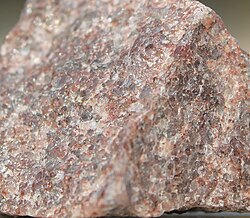
Quartzite
₹ 680.00 / Ton - ₹ 690.00 / Ton
Quartzite is a hard, non-foliated metamorphic rock formed from the metamorphism of pure quartz sandstone. Under intense heat and pressure within the Earth’s crust, the original sandstone recrystallizes, transforming into a dense and durable rock composed predominantly of quartz. Due to this process, quartzite becomes extremely hard, compact, and resistant to weathering. In the state of Uttarakhand, quartzite occurs in several geological formations associated with the Himalayan terrain. It is commonly found in hilly and mountainous regions where ancient sedimentary rocks have undergone metamorphic transformation. The mineral is generally light grey, white, pink, or reddish in color depending on the presence of minor impurities such as iron oxides.
Uses: Piller, Wall, Frame Continue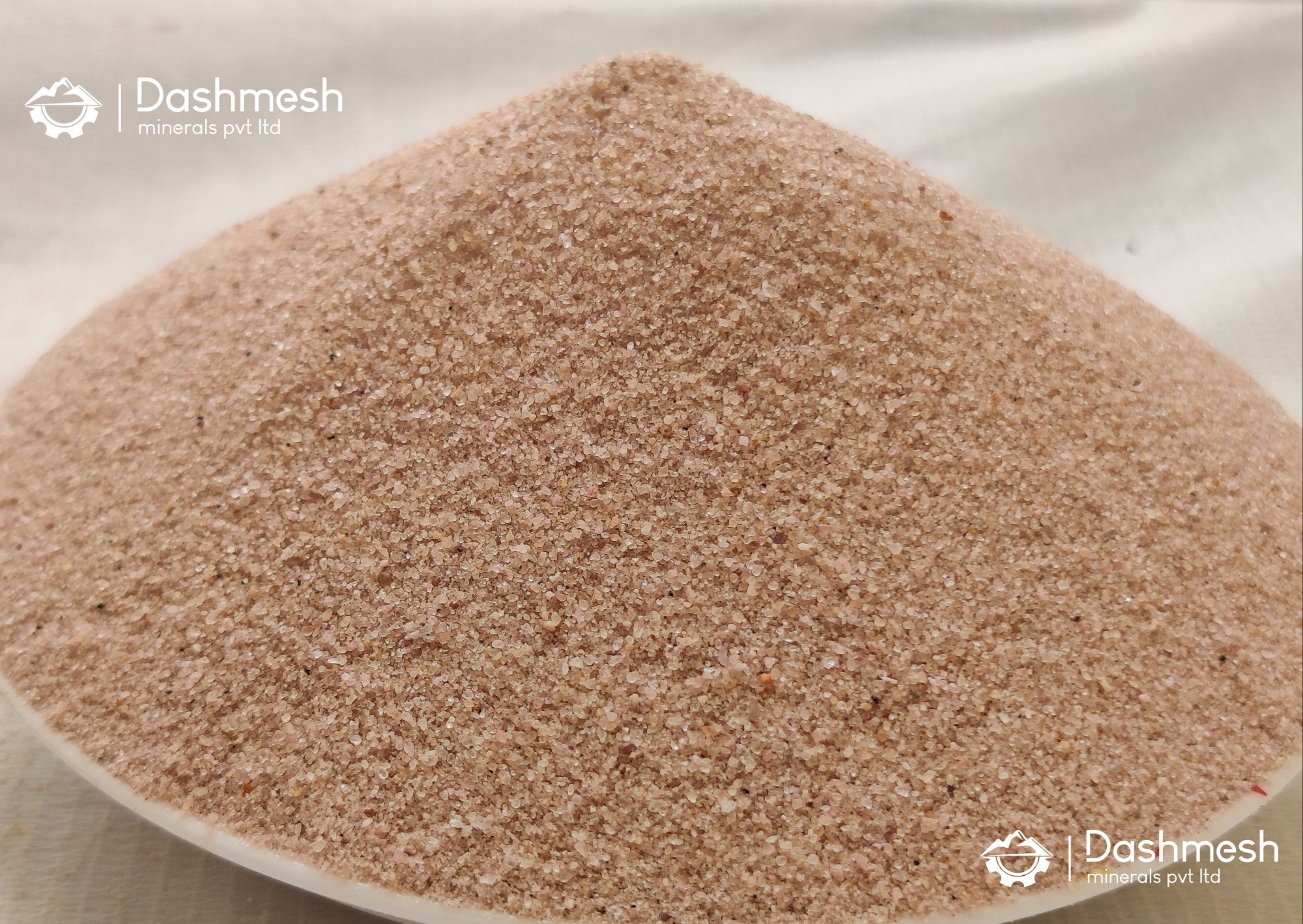
Silica Sand
₹ 508.00 / Ton - ₹ 701.00 / Ton
Silica Sand is one of the most abundant industrial minerals found in nature and is primarily composed of silicon dioxide (SiO₂). It is a granular material derived from the weathering and erosion of quartz-rich rocks such as granite and sandstone. In the context of the Department of Geology and Mining, Uttarakhand, silica sand is an important minor mineral resource that contributes significantly to the mineral economy of the state. Deposits of silica sand are generally found in riverbeds, alluvial deposits, and sedimentary formations within the region.
Uses: Piller, Wall, Roof, Floor, Frame Continue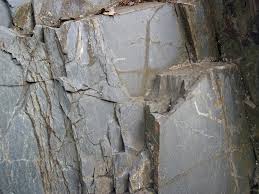
Slate
₹ 0 / Ton - ₹ 0 / Ton
Slate is a fine-grained metamorphic rock formed from shale under conditions of low heat and pressure. It is widely recognized for its durability, natural texture, and ability to split into thin, smooth sheets, making it highly suitable for construction and decorative applications. Slate is commonly used in roofing, flooring, wall cladding, paving stones, and architectural stone works due to its strength, weather resistance, and aesthetic appearance. In Uttarakhand, slate is one of the important mineral resources found mainly in the Kumaon region, particularly in districts such as Almora and Nainital. The state possesses high-quality slate deposits that have traditionally been used as roofing material and building stone in hilly regions.
Uses: Wall, Roof, Floor Continue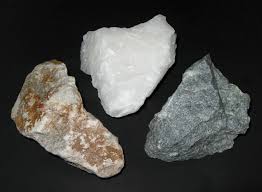
Soapstone
₹ 500.00 / Ton - ₹ 976.00 / Ton
Soapstone, also known as Steatite, is a soft metamorphic rock primarily composed of the mineral talc (hydrated magnesium silicate) along with varying amounts of chlorite, dolomite, and magnesite. Due to its high talc content, soapstone has a smooth, soapy texture and is easily carved, making it one of the most versatile industrial minerals. In Uttarakhand, soapstone mining contributes significantly to the local economy by generating employment and supporting mineral-based industries. With proper scientific mining practices and environmental safeguards, soapstone continues to be an important mineral resource supporting industrial growth and regional development.
Uses: Wall, Floor, Frame ContinueWe’re always here to help you. Connect with us for any query
Helpdesk No.
+91-8192802320
For your queries call us on our helpdesk number